 Analysis & Strategy
 Design, UI/UX
 Web Development
 Content
 SEO, SEM, and Web Analytics
 Operations & Support
Web Design
A truly great website should be as easy to use as it is visually appealing. We create web designs where form, function, and user experience work in harmony. We take everything into account—from target audiences and customer journeys to accessibility and different screen sizes. With creativity, technical expertise, and experience dating back to 1996, we create websites that strengthen your brand and help your business move forward.
Cornerstones of Web Design
UX Design and Accessibility
UX design is about creating a user experience that works for everyone. Accessibility, usability, and user needs are key elements. The design is based on insights from UX research.
Accessibility is an integral part of good web design. We help you design your website in accordance with relevant accessibility requirements and the WCAG (Web Content Accessibility Guidelines). This may involve clear contrasts, intuitive buttons and icons, and ensuring the website is navigable using a keyboard. We make sure the design is both visually cohesive and functional in practice.
Design System
A well-thought-out design system makes it easier to develop and refine your website.
It brings together reusable components, such as menus, form fields, buttons, and cards. This provides you with a clear foundation for continued development and optimization.
Simple sketches and wireframes
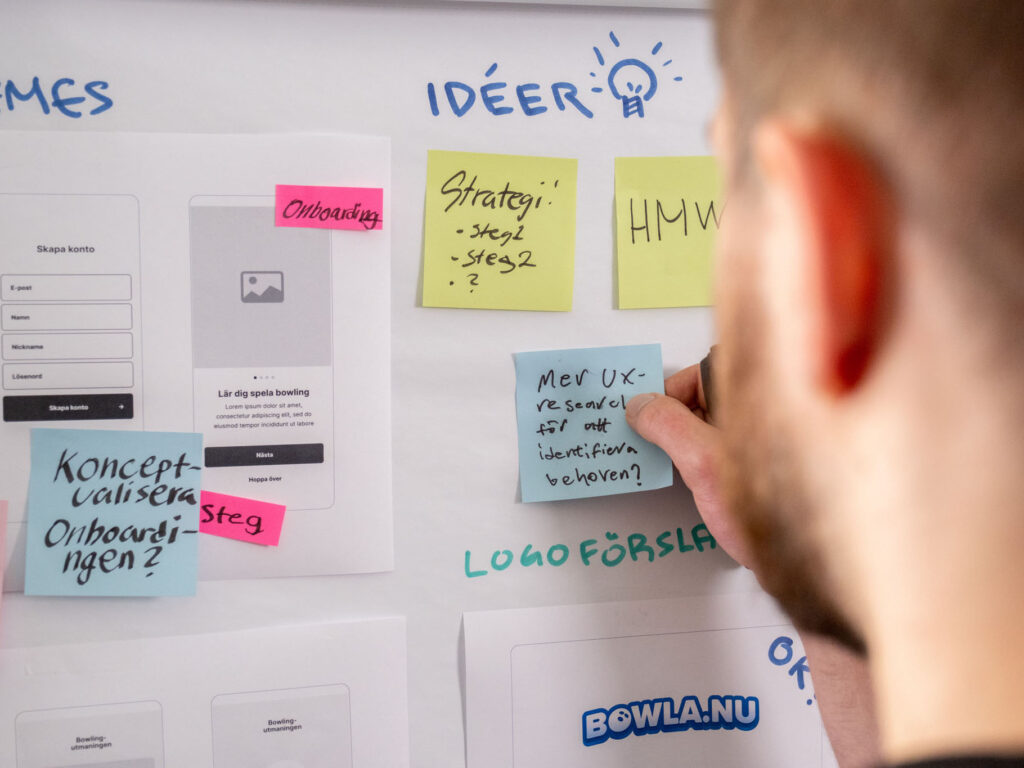
In most projects, we start with simple sketches, known as wireframes. This allows us to identify the most important parts of the website early on, determine how visitors will navigate the site, and decide which features are needed.
User Interface Design
Here, insights from UX research, your brand identity, and your design system come together to shape a new or updated website. We take a holistic approach: navigation, headers, footers, content blocks, page templates, and features. And, of course, the experience must work just as well on mobile devices. That’s why we often start by designing for smaller screens right from the beginning—an approach commonly known as “mobile first.”

Design System
A design system helps you create a clear and cohesive experience, regardless of the channel or digital service.
When colors, typography, and design elements work together, it becomes easier for visitors to navigate the site and find what they’re looking for. At the same time, the brand’s identity is strengthened.
Reusable design elements make it faster to create new pages and features. You won't have to start from scratch every time, so you can spend your time where it's most needed.
A design system also makes it easier to keep the website up to date. When a component is updated, the improvement can be applied in multiple places. This provides a stable foundation to build upon as needs grow.
Examples of projects where we've helped with design systems


Do you need help with web design for your project?

